Abacus Mental Arithmetic
Sharpening Young Minds Through Mental Math
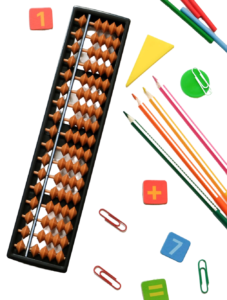
The abacus is a simple, ancient calculating tool used for arithmetic operations such as addition, subtraction, multiplication, and division. It consists of a rectangular frame with rods or wires, each holding movable beads.the abacus helps develop mental math skills, concentration, and numerical understanding—especially in young learners. It remains popular in math education and mental arithmetic training today.
4 – 7 years
Level 1 ( 6 Months)
7 - 10 Years
Level 2 ( 6 Months)
11 - 13 Years
Level 3 ( 6 Months)
14 - Upwards
Level 4 ( 6 Months)
Benefits of Abacus Training
Learning to use the abacus engages both the hands and the brain, as students manipulate beads to perform calculations. This physical interaction stimulates brain activity—movements of the right hand activate the left hemisphere of the brain and vice versa—enhancing coordination and cognitive development. Such stimulation can be especially helpful in overcoming learning challenges like dyslexia, dyscalculia, ADD, and ADHD.
Here are some major advantages of abacus training:
- Enhances calculation speed and accuracy.
- Builds resilience under academic pressure.
- Makes math more engaging, practical, and enjoyable.
- Strengthens foundational understanding of addition, subtraction, multiplication, and division.
Technique
- Abacuz – A Whole Brain Development Technique
The Abacuz program provides a range of mental math benefits designed to stimulate brain development in children. Using the abacus as a learning tool and basic arithmetic operations as the foundation, this program enhances overall cognitive growth and mental agility
Hands-on brain training with the abacus
Structural Development with Physical Abacus
The human brain is structurally divided into several lobes, each connected to different fingers of our hands. In the Abacuz program, children are trained to use both hands and multiple fingers on the abacus. This two-hand technique stimulates various brain lobes by increasing neural connectivity and creating better balance between brain hemispheres.The movement of fingers on a physical abacus activates the nerves linked to the neural system, which in turn stimulates different lobes of the brain—namely the frontal, parietal, occipital, and temporal lobes. Regular use of the abacus in this way enhances overall brain efficiency, supporting structural brain development through hands-on, physical learning
Functional Brain Training with Mental Math
The human brain is functionally divided into two hemispheres—the left (logical) and the right (visual) sides. The left hemisphere is responsible for tasks involving numbers, language, sequencing, formulas, and analytical thinking. In contrast, the right hemisphere handles visual recognition, spatial awareness, estimation, comparison, and the processing of music and rhythm.
In mental math programs like Abacuz, children are trained in arithmetic operations and formulas that are stored in the logical (left) side of the brain. When performing mental calculations, they mentally visualize abacus beads—engaging the visual (right) side—while retrieving mathematical logic and formulas from the left. This process activates both hemispheres simultaneously, enhancing both analytical and creative brain functions.
Learning Styles Supported in the Abacuz Program
Tactile/Kinesthetic Learning Style:
Kinesthetic learners absorb information best through hands-on activities, physical movement, and touch. The Abacuz program supports this learning style by using a physical abacus, allowing students to represent and calculate numbers with their fingers. Additional activities such as speed writing further enhance tactile engagement and reinforce learning through movement.
Auditory Learning Style:
Auditory learners thrive when they hear and process information through sound. In the Abacuz program, students perform mental calculations by listening to numbers spoken at high speeds. Activities like number dictation and jumbled listening exercises help sharpen auditory memory and processing skills, strengthening this mode of learning.
Visual Learning Style:
Visual learners grasp concepts more effectively through imagery, observation, and visual representation. Regular use of the physical abacus enables students to form strong mental images of bead patterns, empowering them with the ability to perform Mental Math. The Abacuz program also incorporates flash card activities, where numbers are shown as bead images—helping children enhance their visual perception and mental visualization.

Workshop Benefits to Children:
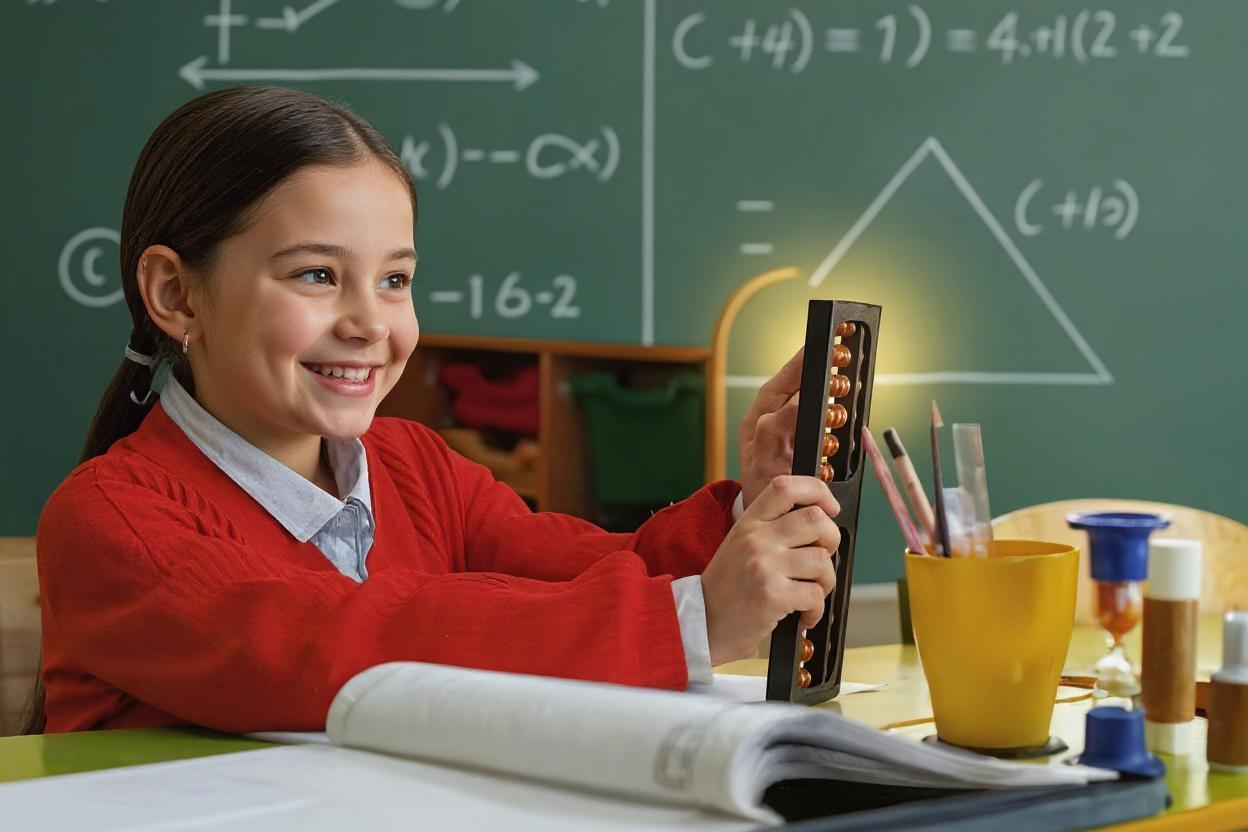
- Explore a new way to learn math
- Introduction to Abacus learning
- Engage in fun and interactive activities
- Connect and make new friends
Benefits of Learning Abacus:
- Promotes whole-brain development
- Improves calculation skills
- Develops concentration
- Enhances problem solving ability
- Improves memory power
- Reduces stress
- Develops visualization skills
- Improves fundamentals of learning
ABACUZ
An abacus is a tool made up of a frame with rods or wires, each strung with movable beads that represent numbers. It is used to perform arithmetic operations such as addition, subtraction, multiplication, and division by slidingthe beads along therods.